Your Great Falls roof must withstand intense UV, strong wind, substantial snowfall, and freeze-thaw cycles. Metal roofing generally surpasses standard asphalt in resisting impact, fire, uplift, and faster weathering, plus removes snow more readily. Look for shingle cracks, loose flashing, water intrusion, granule loss, or roof sags after storms occur. A experienced roofer will check roof decking, underlayment, and ventilation systems, evaluate storm-related damage, and recommend repair or replacement for extended performance.
Main Highlights
- Roofs in Great Falls need to resist extreme sun exposure, wind stress, heavy snow, and freeze-thaw cycles leading to speed up leaks and material breakdown.
- Metal roofs provide service for approximately 40-70 years, handle wind, fire damage, and impacts superior to standard asphalt, and move snow readily.
- Asphalt shingles cost less starting funds yet decline faster often, suffering from curling damage, cracking, and granule loss during Great Falls climate.
- Indicators to watch for fractured shingles, separated flashing, valleys showing rust, ceiling stains, condensation buildup, and weather damage on several roof slopes.
- Great Falls roofing specialists offer roof inspections, leak diagnostics, storm repairs, emergency tarping, alongside skilled metal roof installation with proper underlayment and flashing.
Ways That Great Falls Conditions Affects Roofing Systems
Since Great Falls gets strong sunlight, strong wind, hail damage, substantial snowfall, and temperature shifts, your roofing copes with year-round stress that could reduce operational life. Sun exposure parches roofing materials, compromises sealants, and speeds up wear. Strong wind separates margins, forces moisture into sensitive connections, and weakens flashing components around roof penetrations.
Heavy snow adds load, with ice dams block liquid around the eaves and increase leaking potential. Repeated freeze thaw cycles widen minor cracks, split joints, and harm underlayment. Hail damage bruise roof surfaces, break protective coatings, and leave exposed substrates to moisture intrusion. You also face microclimate influences: slopes facing south get hotter more quickly, shadowed sections stay wet extended periods, and windward areas deteriorate harder. Routine inspections help you catch weather damage quickly, protect drainage systems and prolong longevity throughout dramatic temperature changes.
Metal Roofing as an alternative to Shingles in Great Falls
Comparing metal materials with asphalt shingles in Great Falls, your conclusion often copyrights on climate performance, expected life, maintenance, and long-term cost. Metal roofing systems excel against high-wind, fire, and impact damage than shingled surfaces, and they tend to endure 40 to 70 years as opposed to 15 to 30.
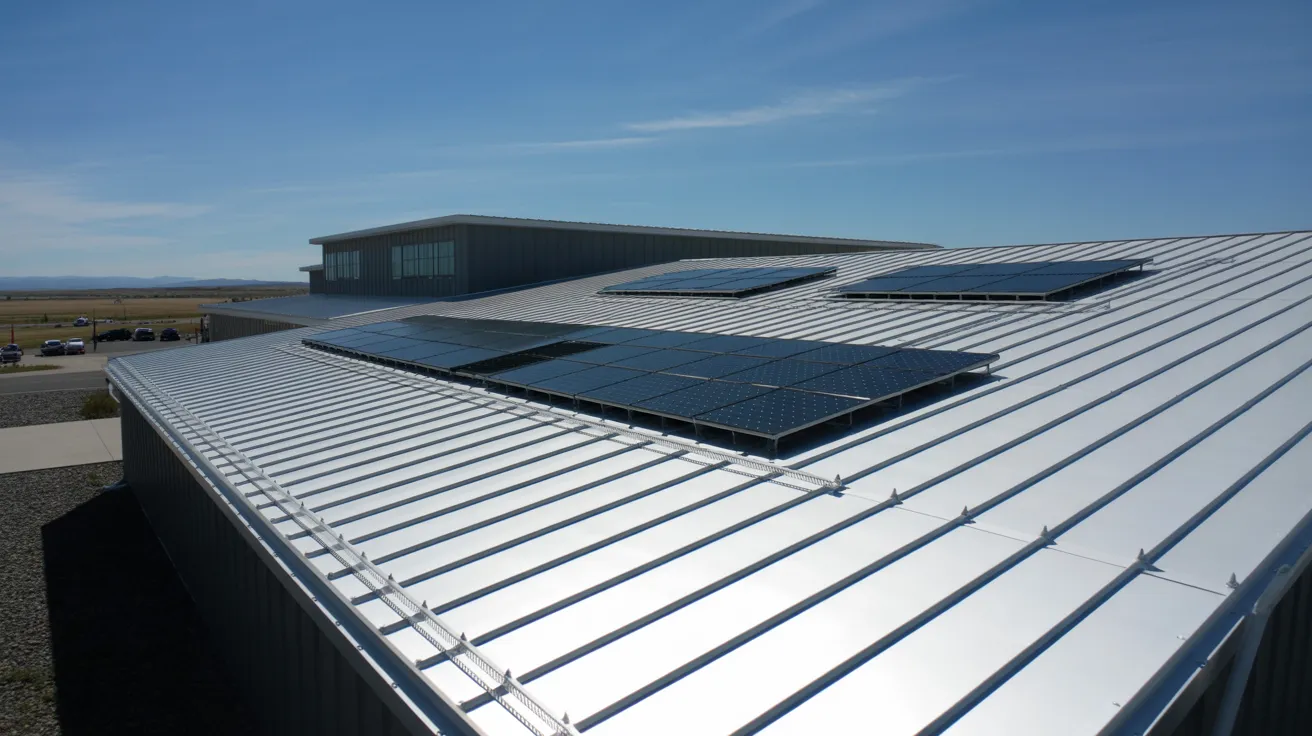
Most often, you'll outlay more in advance for metal, yet you may change it infrequently and perform minimal repairs. Standard shingles cost less initially and supply basic spot work, though they can curl, fracture, or drop granules more swiftly. Metal roofing also facilitates better snow discharge, which reduces accumulation of snow when appropriately installed with safety guards. When you're evaluating incorporating solar power, metal roofing delivers simpler mounting choices and fewer holes in the roof. The best selection is determined by available funds, ownership duration, and how much upkeep you'll accept.
Why Metal Roofing Functions in Montana
Built for thermal fluctuation, powerful gusts, significant snow, and extreme UV exposure, metal roof systems thrives in Montana's challenging climate. You gains a system that handles thermal movement, rapidly removes moisture, and maintains building integrity amid freeze-thaw situations. Interlocking metal components, concealed attachments, and advanced protective coatings curb wind damage, rusting, and sun harm.
Additionally, you enjoy effective snow shedding, which reduces weight on the roof and defends the framing. Given that metal roofing reflects sun's rays, it can reduce attic heat in hot, dry weather periods. Its limited water absorption ensures durability during winter precipitation events. Metal roof longevity matters significantly in the state of Montana, where continuous weather stress may reduce the life of less durable materials. Through suitable underlayment, proper ventilation, and quality installation, your roof system remains durable, power-efficient, and reliable throughout the decades requiring almost no maintenance.
Signs You Require Roof Maintenance
Catching roofing issues in time prevents damage to structure, leaks indoors, and costlier replacements. Look for shingle breaks, lifted flashing, exposed hardware, rust spots in valleys, and broken sealant at vents, skylights, and chimneys. Upstairs, be alert to ceiling discoloration, waterlogged insulation, mold colonies, or light penetration through decking.
Following severe weather, check for impact marks, displaced panels, and granule loss in gutters. Granular leak detection makes it easier to spot damaged asphalt roofs before water penetrates underlayment. Inadequate attic airflow also creates red flags: excess heat, frost, condensation, and premature shingle curling. When energy costs spike unexpectedly, trapped moisture and heat may be affecting roof performance.
Plan roof repairs as soon as you spot sunken spots, persistent seepage, or moving metal trim. Rapid fix keeps protected roof sections, insulation, and room finishes
Roof Replacement Typically Makes More Sense
Consider roof replacement when storm damage affects extensive areas, compromises key structural elements, or exceeds reasonable repair costs. If you're regularly spending on recurring leaks, patch failures, or frequent maintenance visits, replacement typically delivers improved long-term savings. An older roof assembly at or past its expected lifespan cannot reliably protect your home, even though isolated repairs can appear viable.
Widespread Storm Damage
When a major storm damages extensive areas of your roof, a complete replacement often makes more financial and structural sense than repeated repairs. After hail aftermath, wind uplift, or branch punctures, you may have compromised decking, wet underlayment, and extensive shingle damage that repairs can't reliably isolate.
You require a comprehensive evaluation, not temporary fixes. Storm forces frequently damage seal integrity, loosen fasteners, and create hidden moisture paths around valleys, vents, and flashing. Following debris removal, standing water can continue damaging sheathing and insulation underneath. If damage impacts multiple slopes or compromises the roofing system, new installation provides consistent protection, regulatory compliance, and warranty-backed performance. It additionally permits you enhance underlayment, ventilation, and impact-resistant materials so your next severe storm won't exploit the same weak points once more.
Recurring Maintenance Expenses
Often, recurring leak repairs, shingle repairs, and flashing repairs cost more over time versus a scheduled roof replacement. If you're requesting service each season, you're likely trapped in spending cycles that drain your budget without fixing underlying deck, ventilation, or underlayment issues. Minor repairs may restore temporary function, but they rarely provide comprehensive performance.
You should compare yearly repair costs against replacement pricing, labor escalation, and material matching problems. Repeated fixes also create warranty gaps, particularly when multiple contractors manage different sections or different product lines. Those gaps may leave you paying out of pocket if new problems emerge around earlier repairs. A full replacement provides you one integrated assembly, consistent installation quality, and a cleaner maintenance schedule. Often, that reset reduces long-term roofing costs and minimizes operational disruption markedly.
Older Roof Assemblies
As roofing structures age, materials lose flexibility, fasteners back out, sealants deteriorate, and drainage paths degrade, which increases leak risk and diminishes wind and weather protection. You'll often see brittle shingles, torn membranes, rust at entry points, and recurring leaks after storms
Replacement represents a superior choice when assessments reveal decking water intrusion, extensive granule erosion, insulation deterioration, or inadequate ventilation that intensifies thermal stress. Consider additionally code upgrade needs, attachment capability, and flashing integration regarding modern material options. Full system replacement allows you to fix concealed defects, enhance water drainage, and apply a setup suitable for contemporary demands. Initial costs are higher, yet emergency repairs reduce, interior water damage minimizes, and long-term cost savings materialize.
Storm Damage Management by Great Falls Roofers
Because severe weather can damage roof structures in moments, Great Falls roofing professionals start damage assessment with a rapid, organized evaluation of roofing components, fasteners, layers, roof deck, and metal surfaces to identify both visible failures and hidden water-entry points.
Following the storm assessment, you get a documented scope of damage, moisture intrusion, and structural risk. Roofers perform debris removal initially so branches, hail fragments, and loose materials stop scraping the roof or obstructing water flow. They tarp exposed sections, seal punctures, reinstall shifted shingles, secure flashing components, and verify fastener condition on metal areas. If water reached the decking, they'll test for saturation, delamination, and mold-prone zones prior to authorizing restoration. You also get photos and measurements that support insurance claims and assist in ranking critical fixes versus appearance-related work.
What Happens During Metal Roof Installation
From initial removal through final components, metal roof installation methods maintain required order defending structures and ensuring panel performance. Old roofing takeoff commences first, deck evaluation is completed, and problem decking areas get substituted. Pitch check, dimension confirmation, air circulation path review, and fastener location marking happens next for accurate panel placement.
Then you install edge metal, ice and water shield, and choose underlayment options based on climate, pitch, and code requirements. You lay panels from a square starting point, fasteners or fastening devices according to manufacturer specifications. With Standing seam systems, you lock vertical legs and seams remain pertinent details aligned to control water movement and thermal expansion. Lastly, penetrations are sealed, ridge and trim are installed, transition points are sealed, and final cleanup with quality check to confirm weather-tightness and appearance.
Services regional roof Experts Present
Whether your roof concerns call for a small fix or new roof installation, Great Falls roofing contractors generally handle inspections, leak assessment, storm damage restoration, roof overlay, roof placement, and routine maintenance for commercial and residential facilities.
In addition to basic services, you are able to hire them for flashing installations, ventilation adjustments, gutter setup, skylight sealing work, and ice dam management. Should wind or hail harms roof decking, they shall perform emergency protection to minimize water penetration until permanent repairs begin. Regarding mature systems, they assess underlayment condition, attachment points, penetrations, and water drainage, then propose repair solutions or total replacement when appropriate. Several crews handle shingle roofing, metal standing seam, membrane roofing, and protective coatings. They may catalog damage for insurance claims and plan routine maintenance to spot sealant damage, rust, panel movement, and blocked valleys prior to these problems shorten your roof durability.
Selecting Your Perfect Great Falls Roof Contractor
When hiring a Great Falls roofing professional, check they have correct certification and maintain active liability and workers' compensation insurance. Next, review the roofing products they propose so you to align performance standards, longevity, and budget with the your project. Additionally to evaluate their local experience, because companies understanding Great Falls weather conditions and regulatory requirements typically deliver more dependable results.
Verify Licensing And Insurance
Before you sign any roofing agreement in Great Falls, verify that the roofing professional maintains the necessary Montana professional license and carries workers' compensation insurance and general liability coverage. Avoid relying on oral claims. Obtain the professional's license number, business title, and insurer details, then execute license verification by checking state licensing records and local registration databases. Match the company name on every record.
To confirm policy verification, demand that current insurance certificates be provided from the insurance company or insurance agent. Review policy numbers, effective coverage dates, coverage limits, and exclusion details. Confirm that workers' compensation protects all crew member working
Compare roofing materials
Because Great Falls roofs face hail, strong winds, heavy snow, and dramatic temperature changes, you need to compare materials by performance, service life, maintenance demands, and total installed cost—not just the contractor's price.
Asphalt shingles typically provide the most affordable installation price, though impact resistance ratings, wind warranties, and granule deterioration prove important. Metal carries higher upfront costs, but it sloughs off snow, offers fire resistance, and delivers improved energy efficiency via reflective finishes. Synthetic slate and composite shingles minimize weight while enhancing impact durability, although product quality differs. Request manufacturer data regarding Class 4 impact ratings, wind uplift, ice-dam performance, and anticipated longevity. You must also evaluate underlayment, ventilation requirements, fastener requirements, and repair accessibility. An budget-friendly roof may cost significantly more in the future if it fails early or requires constant storm damage repairs and replacement services.
Examine regional expertise
Material choice plays a role, and the contractor's regional track record frequently determines how well that installation performs in Great Falls. You should verify the timeframe a contractor has operated in the locale and whether they've managed hail, snow load, chinook winds, and freeze-thaw cycles on matching properties. Regional experience reveals whether crews know ventilation, ice dam prevention, flashing details, and code requirements specific to Cascade County.
Obtain locations from recent projects, then inspect construction quality from ground. Look at customer reviews for patterns: scheduling, cleanup, warranty response, and change-order accuracy. You should confirm material vendor networks and permit familiarity, given that seasoned regional contractors obtain materials without delay and coordinate inspections with fewer delays. A contractor with demonstrated Great Falls track record reduces installation danger and strengthens long-term roof performance for your property.
Popular Homeowner Questions
Will local contractors provide payment options for New roofing systems?
Yes, many Great Falls roofers offer payment plans for new roofs. You typically may choose payment options from your contractor or via a third-party lender. Count on provisions contingent on job cost, finance period, and personal credit standing. Most lending sources call for credit checks before funding, and some present promotional rates for qualified borrowers. You must compare APR, fees, down payment requirements, and prepayment terms before signing any roof financing agreement.
Do roofing estimates in Great Falls generally offer no fees?
Yes, roofing estimates in Great Falls are commonly without charge, especially when contractors provide free inspections for repairs or replacements. You should expect a documented estimate that details materials, labor, timeline, and cost breakdowns. Some companies may bill for detailed reports, specialty diagnostics, or insurance documentation. Before you schedule, inquire about what the estimate covers, whether inspections are complimentary, and if additional fees apply to complex roof conditions or access.
What length of time do roofing warranties typically cover in Great Falls?
Like a safety feature for your roof, warranties in Great Falls usually run 20–50 years for Manufacturer warranties, depending on material and product tier. You'll often get Labor warranties for 2–10 years, though some contractors extend longer coverage. You should confirm what's prorated, transferable, and excluded, especially for wind, ventilation, and installation errors. Read the fine print so you know exactly what protection you're actually getting before signing.
Is roof work able to be scheduled during winter in Great Falls?
Yes, you can schedule roof work during winter in Great Falls, but you'll must have weather-dependent planning. You can perform Winter repairs safely when workers track temperature, wind, ice, and supply handling limits. You should plan on delays during storms or extreme cold. Clearing snow often comes first so crews can reach decking, locate leaks, and fasten flashing. You'll achieve better results when you schedule early and keep flexible with scheduling windows.
Do roofing companies in Great Falls assist with insurance paperwork?
Yes, many roofing firms in Great Falls aid you with claim paperwork after impact damage or storms. You'll often obtain insurance support through documented inspections, photo evidence, scope summaries, and estimate comparisons. They may also assist claim coordination by conferring with adjusters, explaining repair quantities, and corresponding line items to policy coverage. You should still review your claim carefully, because your insurance provider authorizes payment terms, depreciation, deductibles, and final settlement amounts.
Conclusion
In Great Falls, your roofing system has to withstand wind, snow, hail, and rapid temperature swings without failing. That's why picking the roofing company matters. Metal roofing stands out because they can survive 40–70 years—often two to three times longer than asphalt-based shingles. When you respond early on repair or replacement, you protect your home, reduce long-term costs, and improve performance. Work with Great Falls roofing experts who understand local climate and place systems built to last.
Comments on “Local Roof Repair Company”